Navigating the Helm: Essential Mastery for Merchant Marine Commanders
My Pages
Videos
Naftilosgr Maritime Blog
My Pages
My Trip Photos
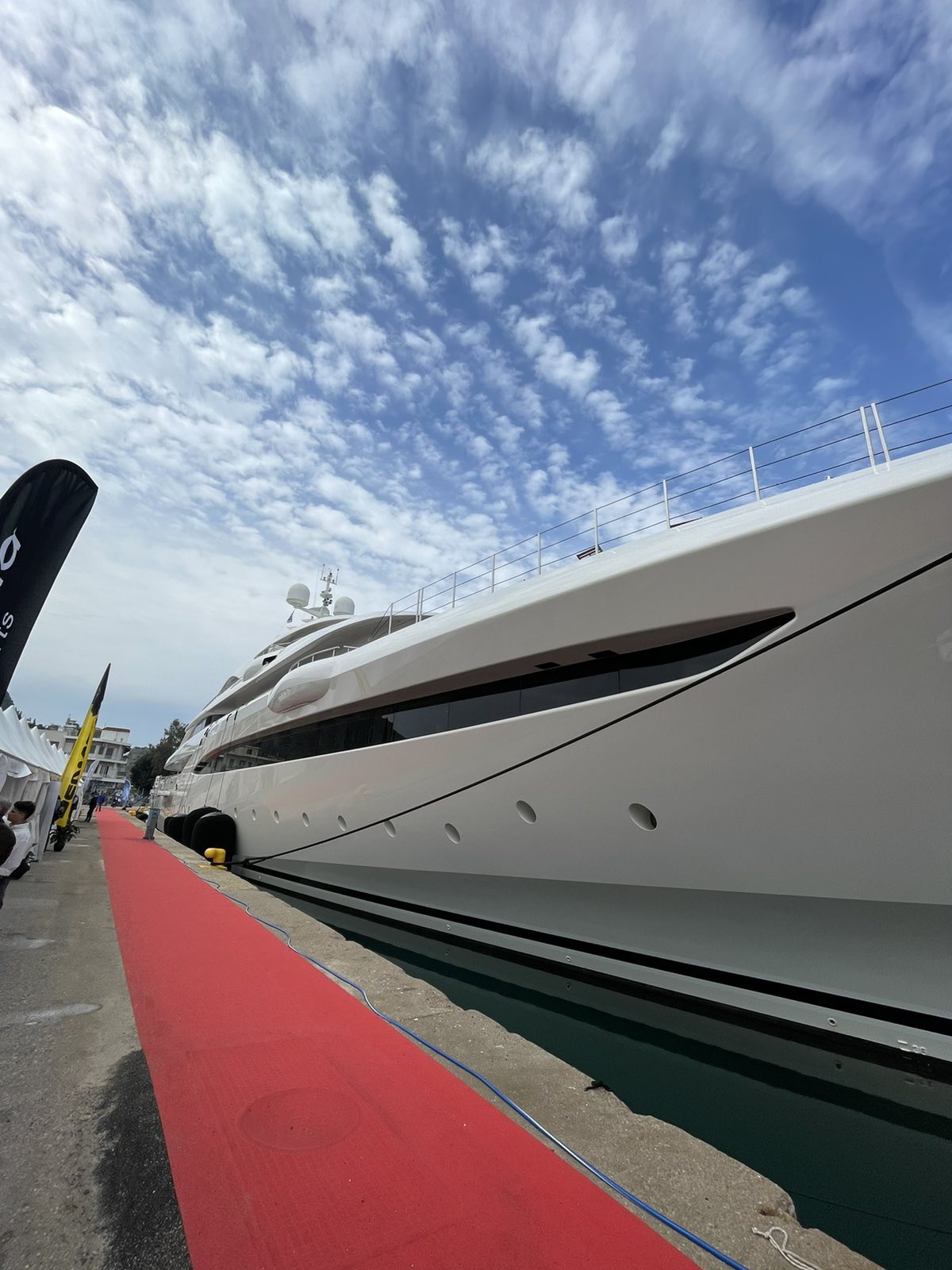
Piraeus Port, Greece
Captain onboard a vessel
General instructions for cleaning the cargo hold of a vessel
Here are some general instructions for cleaning the cargo hold of a vessel:
1. Safety first: Before starting the cleaning process, it is essential to ensure that the cargo hold is safe for cleaning. This involves checking for any hazardous materials or gases, adequate ventilation, and ensuring that all equipment is in good working condition.
2. Remove loose debris: The first step in cleaning the cargo hold is to remove any loose debris or cargo residue from the surfaces. This can be done using brooms, shovels, or vacuums.
3. Wash down the surfaces: Once the debris has been removed, the cargo hold should be washed down using high-pressure water. This helps to remove any remaining cargo residue and prepares the surfaces for further cleaning.
4. Apply cleaning solution: After the surfaces have been washed down, a cleaning solution should be applied to the surfaces. This can be done using a sprayer or by manually scrubbing the surfaces with a brush or sponge. The cleaning solution should be appropriate for the type of cargo that was transported to avoid any chemical reactions.
5. Rinse thoroughly: Once the cleaning solution has been applied, the cargo hold should be thoroughly rinsed using high-pressure water. This ensures that all cleaning solutions and any remaining cargo residue are removed from the surfaces.
6. Inspect and dry: After the cargo hold has been rinsed, it should be inspected for any remaining debris or spots that may require additional cleaning. Once the cargo hold has been inspected and found to be clean, it should be left to dry completely before the next cargo is loaded.
It is important to note that specific cleaning procedures may vary depending on the type of cargo transported, the vessel's construction, and the cleaning equipment available. It is crucial to follow the manufacturer's instructions for any equipment used during the cleaning process and to follow all safety protocols.
Dalian Port, China
Dalian Port is a seaport located in the Liaodong Peninsula in northeast China, in the city of Dalian in Liaoning Province. It is one of the largest ports in China and is an important gateway to Northeast Asia.
The port is divided into several areas, including the Main Port, the Oil Port, the Dayaowan Port, and the Changxing Island Harbor Industrial Zone. The Main Port handles containers, bulk cargo, and general cargo, while the Oil Port is specialized in handling crude oil and petroleum products. The Dayaowan Port is a deep-water port that handles large vessels and is primarily used for international trade, and the Changxing Island Harbor Industrial Zone is a port area that specializes in logistics, petrochemicals, and other industries.
Dalian Port is strategically located on the Bohai Sea and is well-connected to major cities in northeast China, including Beijing, Shenyang, and Harbin. It also has direct shipping routes to Japan, South Korea, Russia, and other countries in Northeast Asia. The port plays a significant role in China's Belt and Road Initiative, a global infrastructure development strategy aimed at boosting economic growth in Asia, Europe, and Africa.
What are some of the key responsibilities of a Master Mariner?
A Master Mariner is a senior-level position within the maritime industry, responsible for the safe and efficient operation of a ship. Here are some of the key responsibilities of a Master Mariner:
1. Navigation: A Master Mariner is responsible for ensuring that the ship is navigated safely and efficiently, using advanced navigational tools and techniques to chart a course and avoid hazards.
2. Crew management: As the captain of the ship, a Master Mariner is responsible for managing the crew and ensuring that they are properly trained and equipped to carry out their duties.
3. Safety and security: A Master Mariner is responsible for the safety and security of the ship, its crew, and its cargo. This includes implementing safety protocols, conducting safety drills, and ensuring that the ship is equipped with appropriate safety equipment.
4. Communication: A Master Mariner must maintain clear and effective communication with other ships, port authorities, and other stakeholders in order to ensure the safe and efficient operation of the ship.
5. Regulatory compliance: A Master Mariner is responsible for ensuring that the ship is in compliance with all relevant regulations and standards, including those related to safety, security, and environmental protection.
6. Maintenance and repair: A Master Mariner is responsible for ensuring that the ship is properly maintained and repaired and that all systems and equipment are in good working order.
7. Crisis management: In the event of an emergency, such as a fire, collision, or natural disaster, a Master Mariner must be able to respond quickly and effectively to ensure the safety of the ship and its crew. This includes implementing emergency response plans, coordinating with authorities and other ships, and making critical decisions under pressure.
8. Commercial operations: A Master Mariner is responsible for ensuring that the ship is operated efficiently and effectively from a commercial perspective, maximizing profitability while maintaining safety and regulatory compliance.
9. Training and development: A Master Mariner is responsible for mentoring and developing junior officers, providing guidance and feedback to help them grow their skills and advance their careers.
10. Record keeping: A Master Mariner is responsible for maintaining accurate records of the ship's operations, including navigation, safety, crew management, and maintenance.
In summary, a Master Mariner is responsible for the safe and efficient operation of a ship, managing the crew, ensuring compliance with regulations, maintaining the ship, responding to emergencies, and managing commercial operations.
Convert feet to metres
To convert feet to meters, multiply the number of feet by 0.3048, which is the conversion factor for feet to meters.
So, the formula to convert feet to meters is:
meters = feet x 0.3048
For example, if you want to convert 10 feet to meters, you would use the formula:
meters = 10 x 0.3048 = 3.048 meters
Therefore, 10 feet is equal to 3.048 meters.
Convert metres to feet
To convert metres to feet, you can use the conversion factor 3.28084, which represents the number of feet in one metre. To convert a distance from metres to feet, simply multiply the distance by this conversion factor.
For example, to convert 10 metres to feet:
10 meters x 3.28084 = 32.8084 feet
Therefore, 10 metres is equivalent to approximately 32.8 feet.